
Chapter 1: That’s a wrap!
As our Zoomers gear up and get ready to move into Chapter 2 of our programme, we’re excited to bring you a special edition of your final weekly hit of Zoomer inspiration from Chapter 1!
This week we’ll be focusing on sharing a range of powerful examples from charity campaigns that have influenced, moved and had the ability to drive our Zoomers to action. We received loads of brilliant examples, along with their expressive ideas for the charities they would build themselves. Let's dive into a snapshot of the most interesting learnings and what you might be able to implement today - starting with some eye-catching campaigns!
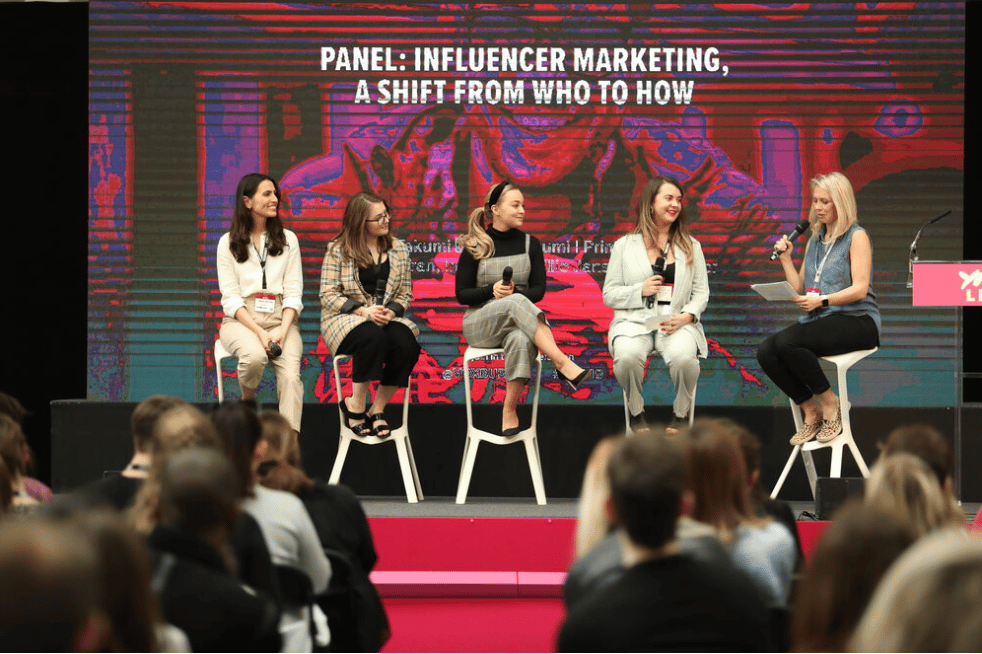
To further immerse ourselves in the world of Zoomers, last week Good Innovation & the nine participating charities took to London for the Youth Marketing Strategy Conference.
It was a day of keynotes, panels, Q&As, exhibition halls and more focusing on Influencer Marketing, Higher Education Marketing, Future Thinking, Retail & E-commerce. A huge thanks to everyone who came along on the day! Hear our conference takeaways at the end of this newsletter.
But first, what did our Zoomers on the community teach us this week?

101: As ever, great creative drives impact.
The charity campaigns that most made a mark on our Zoomers all had one thing in common: they leaned into at least one powerful creative marketing fundamental. Let’s explore the different ways in which these had an impact:
Disrupting category norms
This SickKids campaign does a wonderful job of disrupting the norms of the category, while blending it with imagery from age-relevant media in the form of Superheroes, and a provocative music score. This could feel like a promotion for a movie, or TV series, creating impact through disruption:
"I really liked this because it didn't rely on guilt and exploiting traumatic events that people go through in order to encourage people to get involved. Instead, it promoted their organisation in a way that showed why they do what they do and empowered the people involved at the same time."
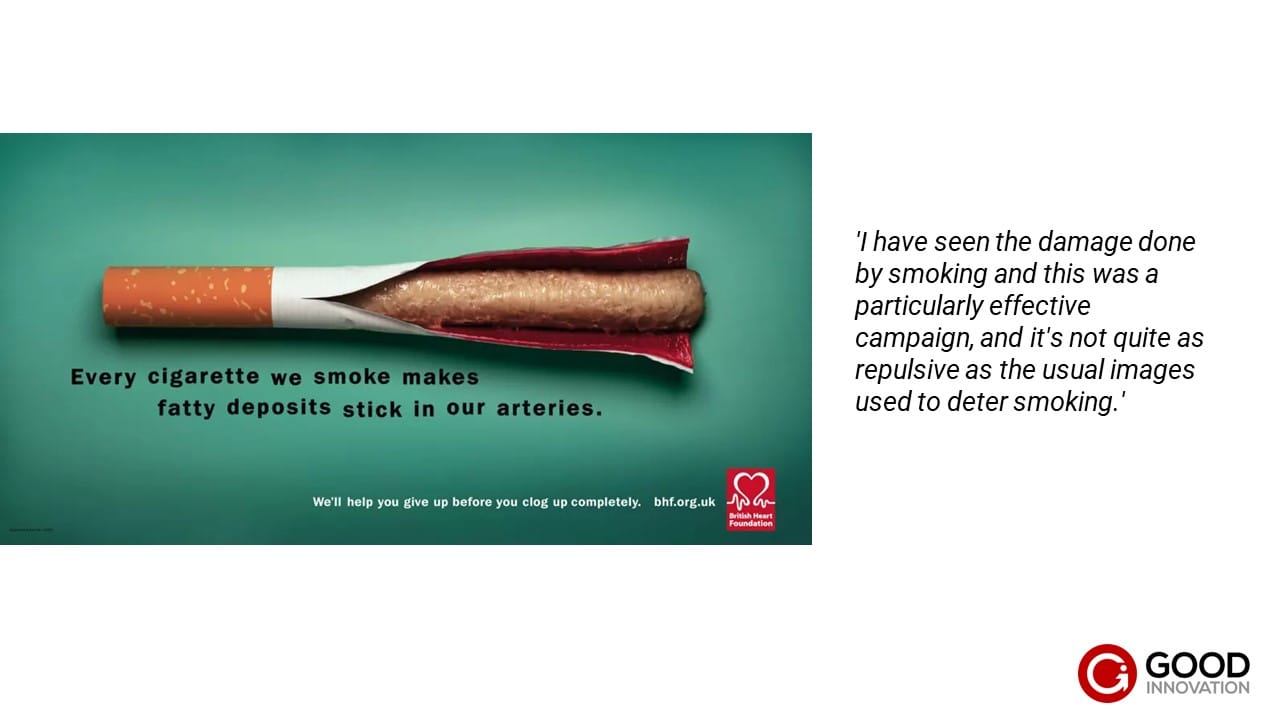
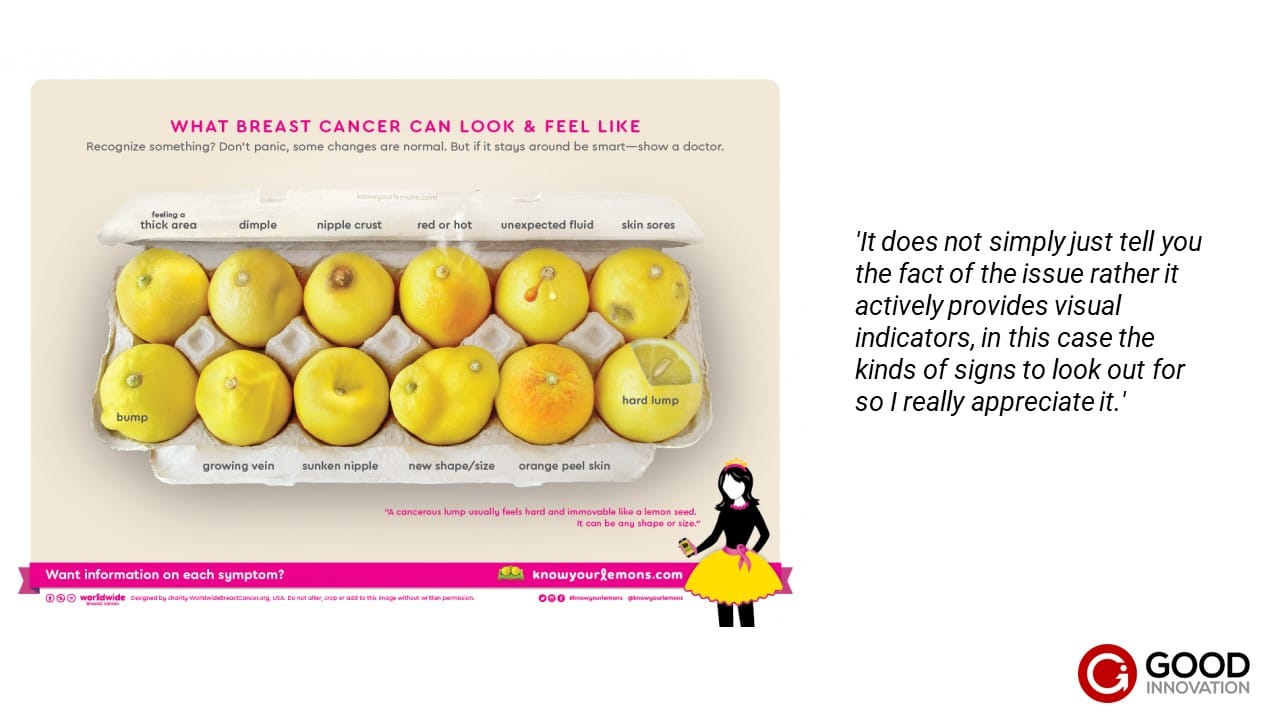
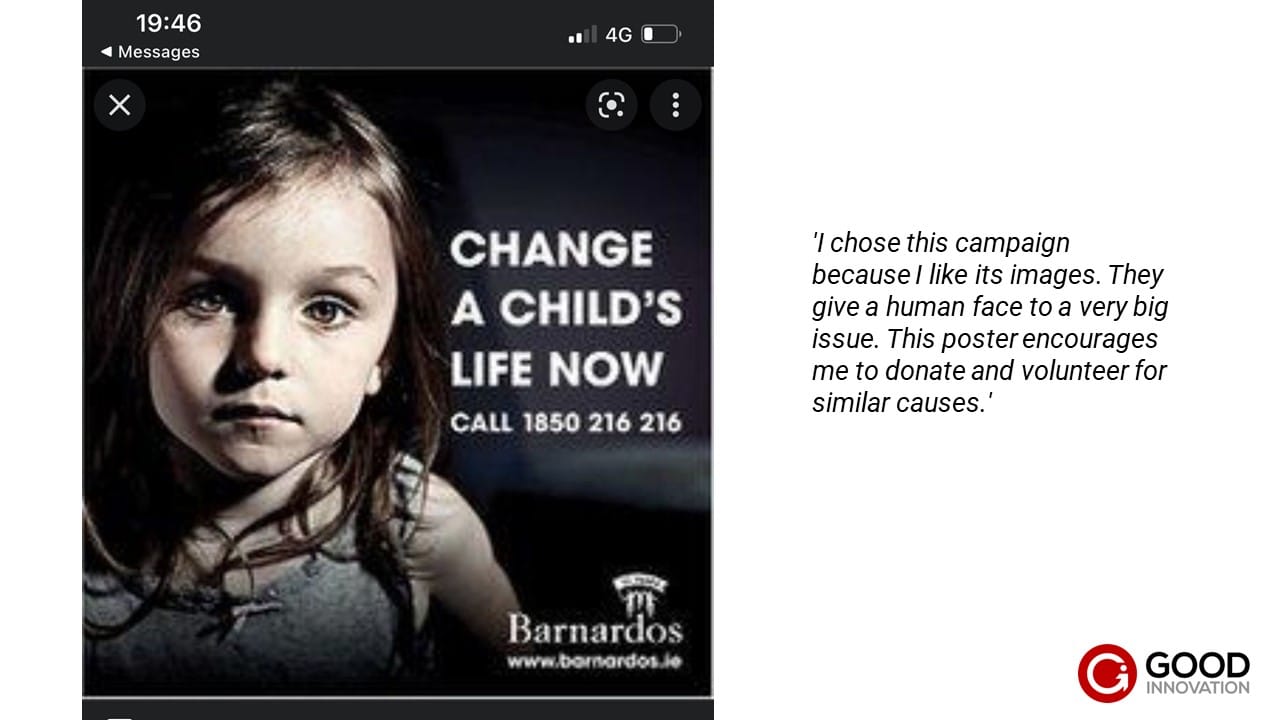
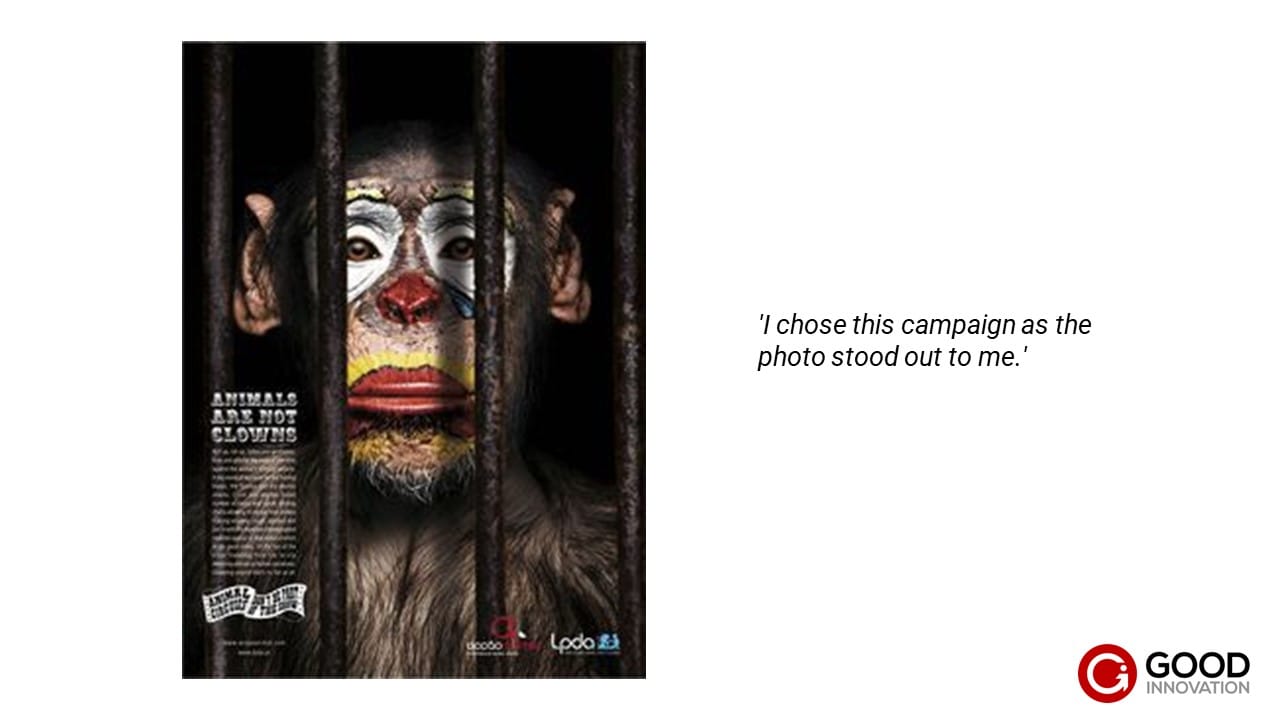
Arresting visuals
Like any great advertising, the importance of a single, powerfully disruptive visual to create stand out should not be overlooked.
Ride Viral Trends
This campaign from 2014 was surfaced as it clearly created a lasting impact on our audience. It did this through its powerful and clear narrative, but also by tapping into the 'Second a Day' viral sensation that began to emerge on social media:
'The reason this is my favourite campaign is due to the fact it shows how our lives can be turned upside down in the blink of an eye.'
Lean into the Zeitgeist
Timing matters: launching campaigns when the broader societal conversation is relevant to your cause can bolster visibility and awareness:
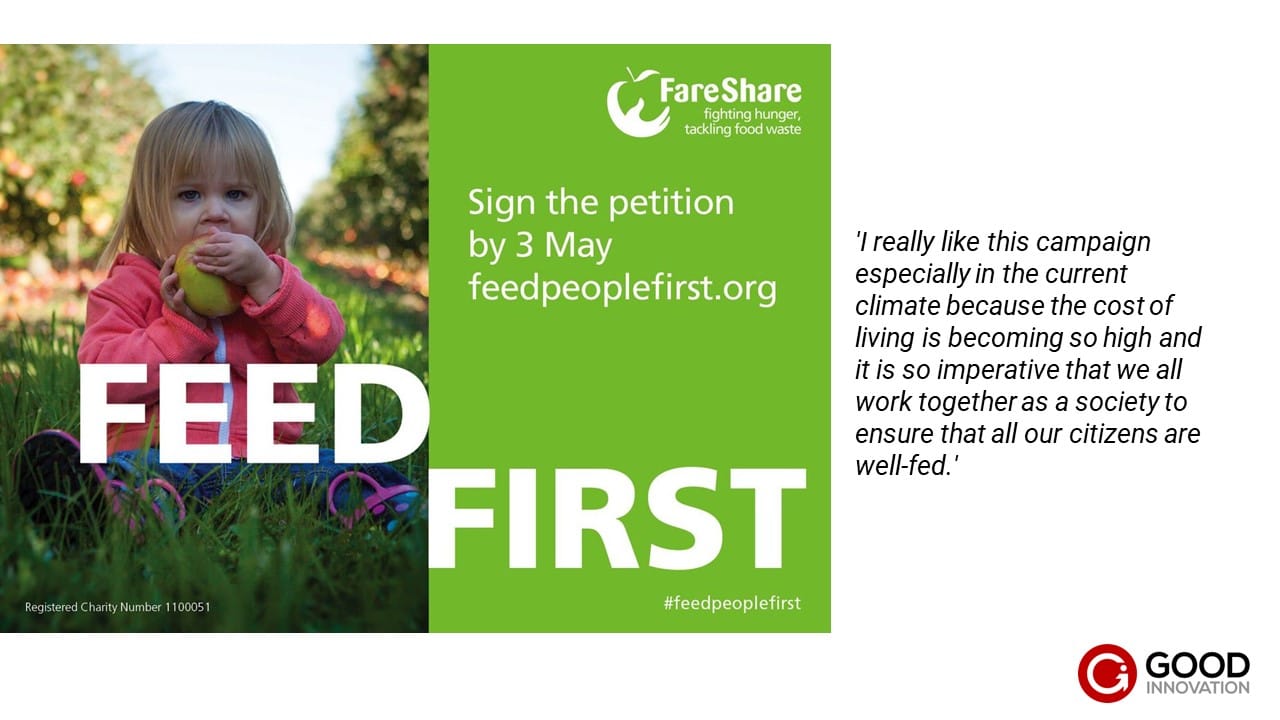
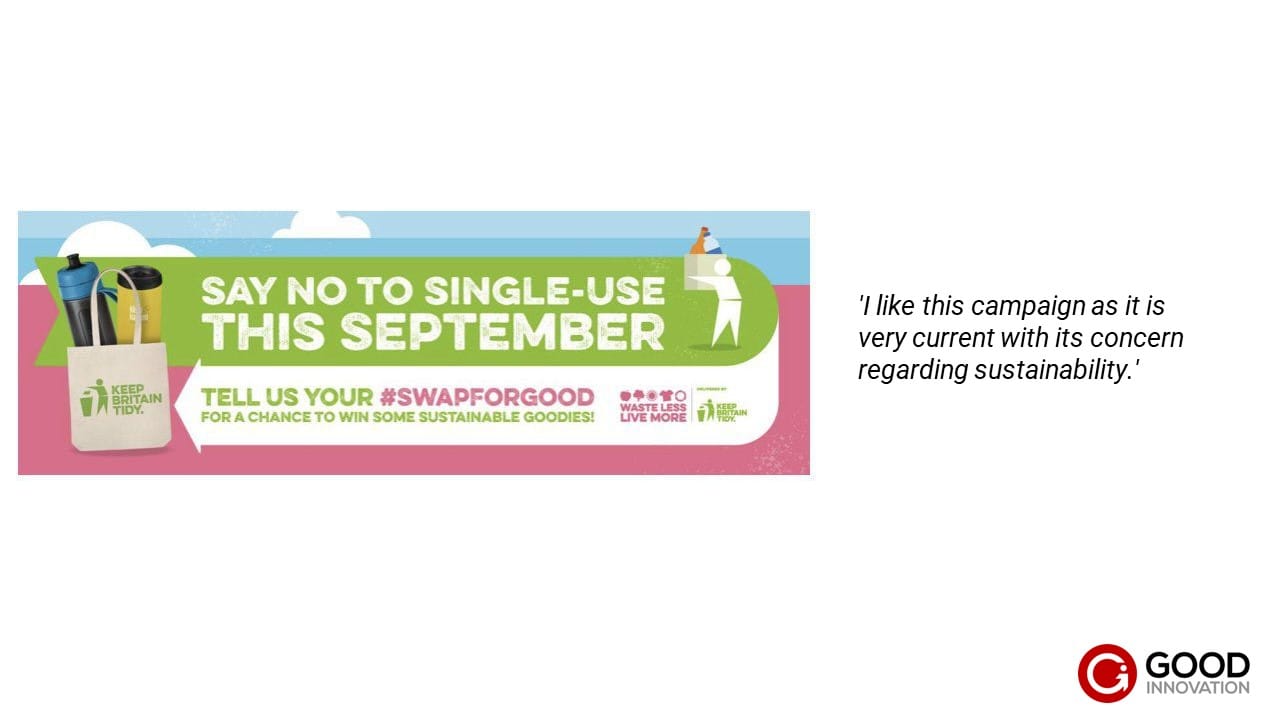
Great copy delivers
Focused copy that is capable of challenging an existing perception is always an effective way of drawing attention to a cause some might not even be aware of:
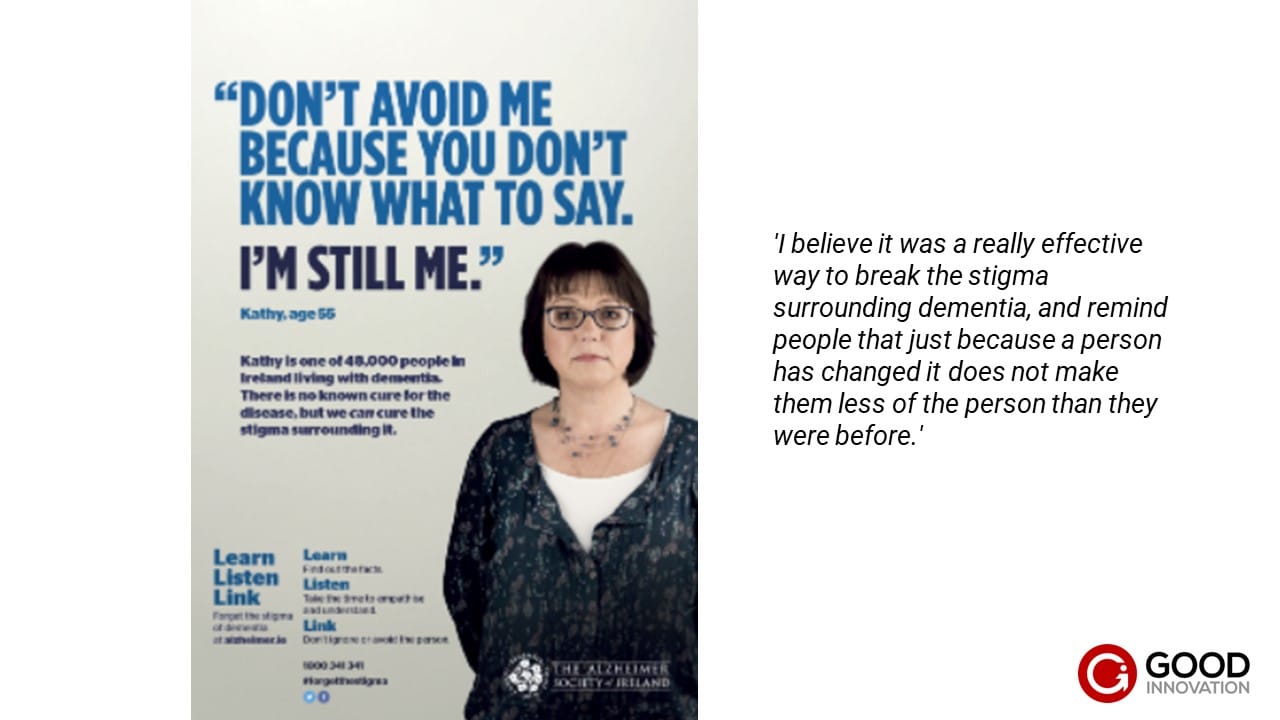
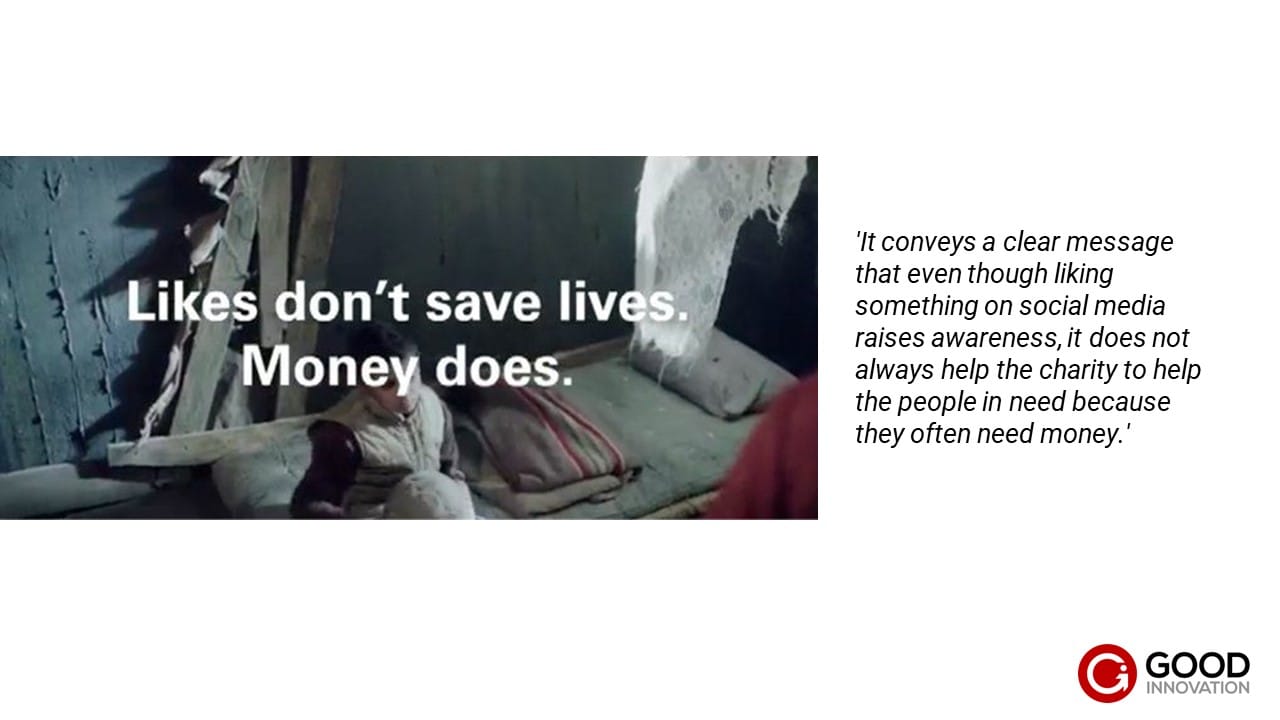
Get specific
Building on a theme we've seen throughout this chapter, providing specific actions, facts and evidence points of impact is an effective way of building traction.
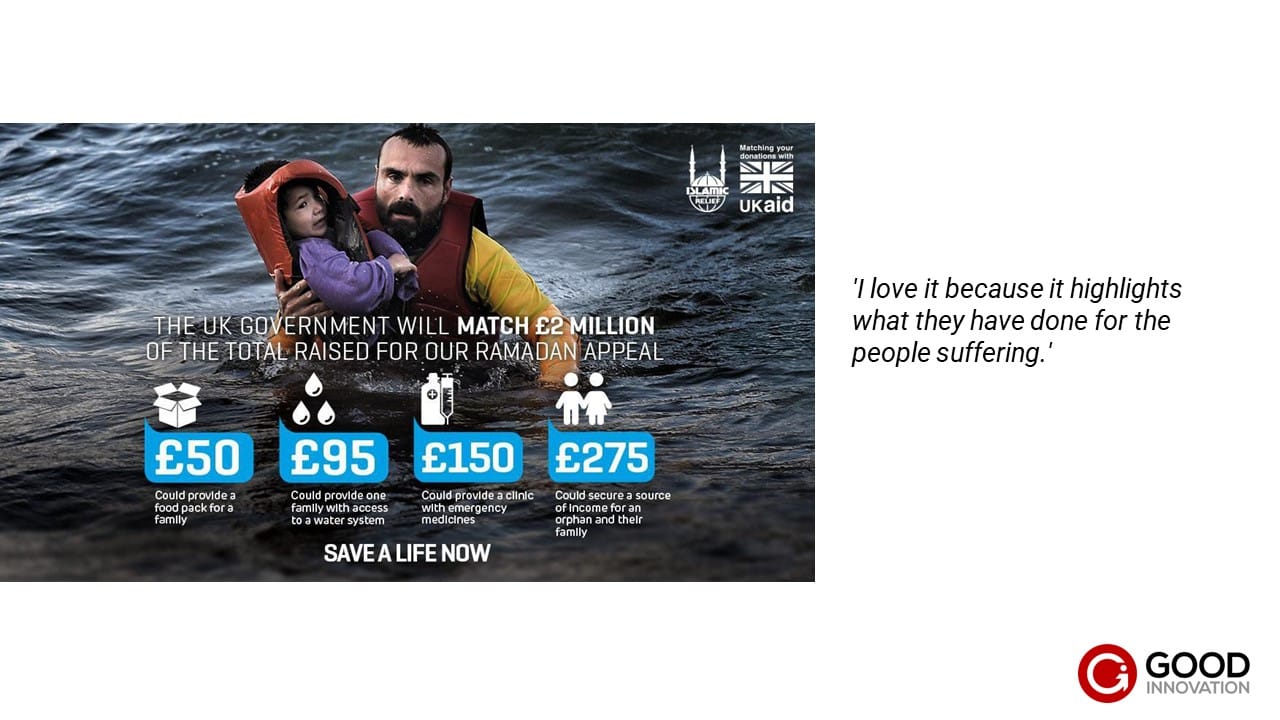
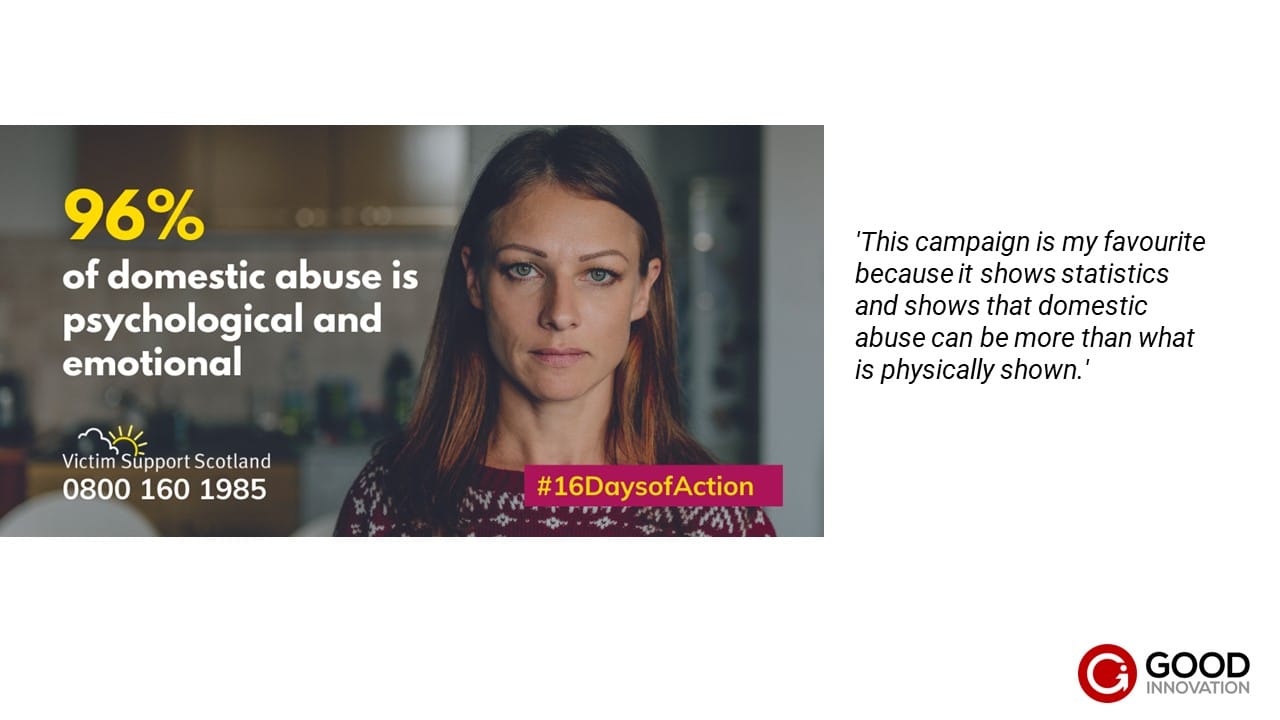
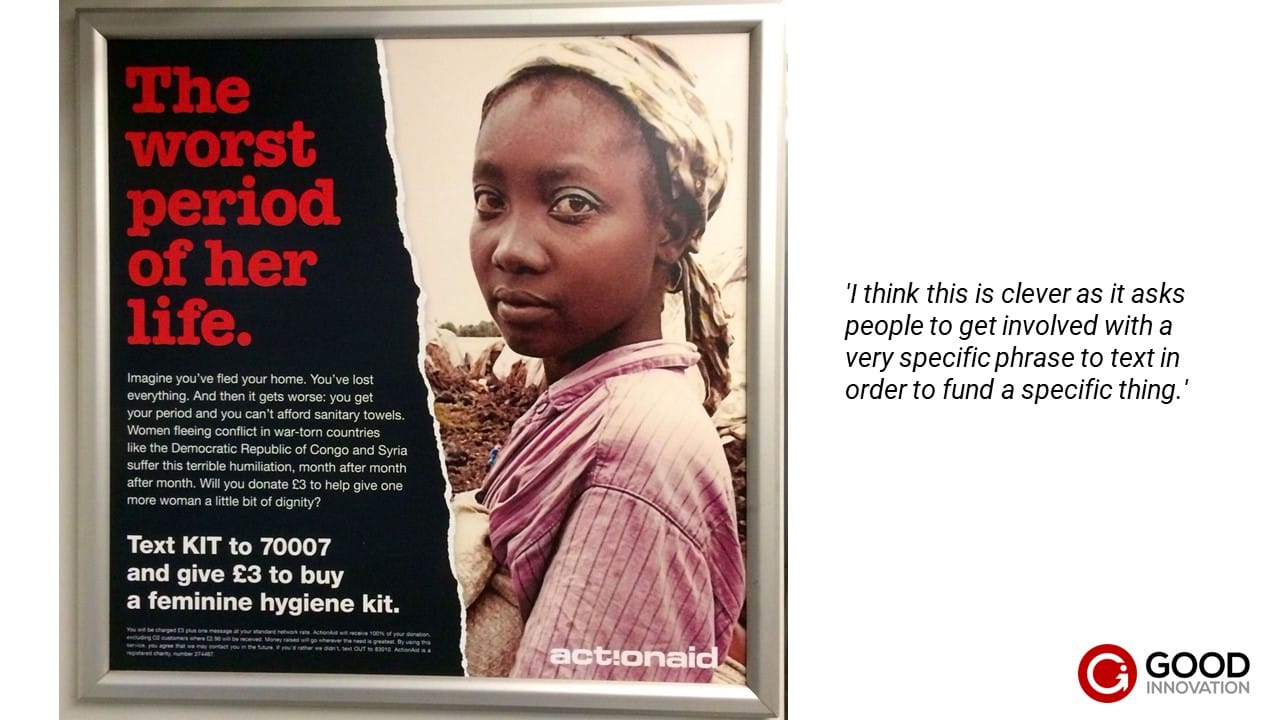
Although personal connections can be strong loyalty drivers, making your cause relevant to Zoomers and regular communication is key
Chapter 1 has revealed many instances of individual, ad-hoc giving of both time and money - a behaviour we know is prevalent for Zoomers. But when we dug deeper into what triggers longer-term approaches to regular support, we uncovered multiple examples of Zoomers sharing their lived experiences and personal connections as a way to them establishing a commitment to support. However, staying in touch with opportunities to get involved on the platforms where they exist, is the way to keep that commitment going.
'I would choose to be loyal to Cancer Research UK because my grandma passed away a few years ago and maybe with more research they would have been able to help her.'
'I would like to be loyal to the RSPB. This is because my grandad was a great lover of birds and chose to support this charity before he passed away and this would mean a lot to me.'
'Would like to support a local charity for homeless people, because i know how it really feels to be homeless and how important my contribution to the charity could be.'
"I do feel social media is the best way to communicate with their supporters, only because social media is such a big part of peoples lives these days and they’re less likely to miss an important message as opposed to having a letter posted which might be ignored for a few days."
"Charities can build loyalty by sending regular updates of what they are doing eg via a monthly newsletter - it helps to know what monetary donations are being used for as well as updates of what to campaign about so we can stay up to date."
Fostering a sense of community
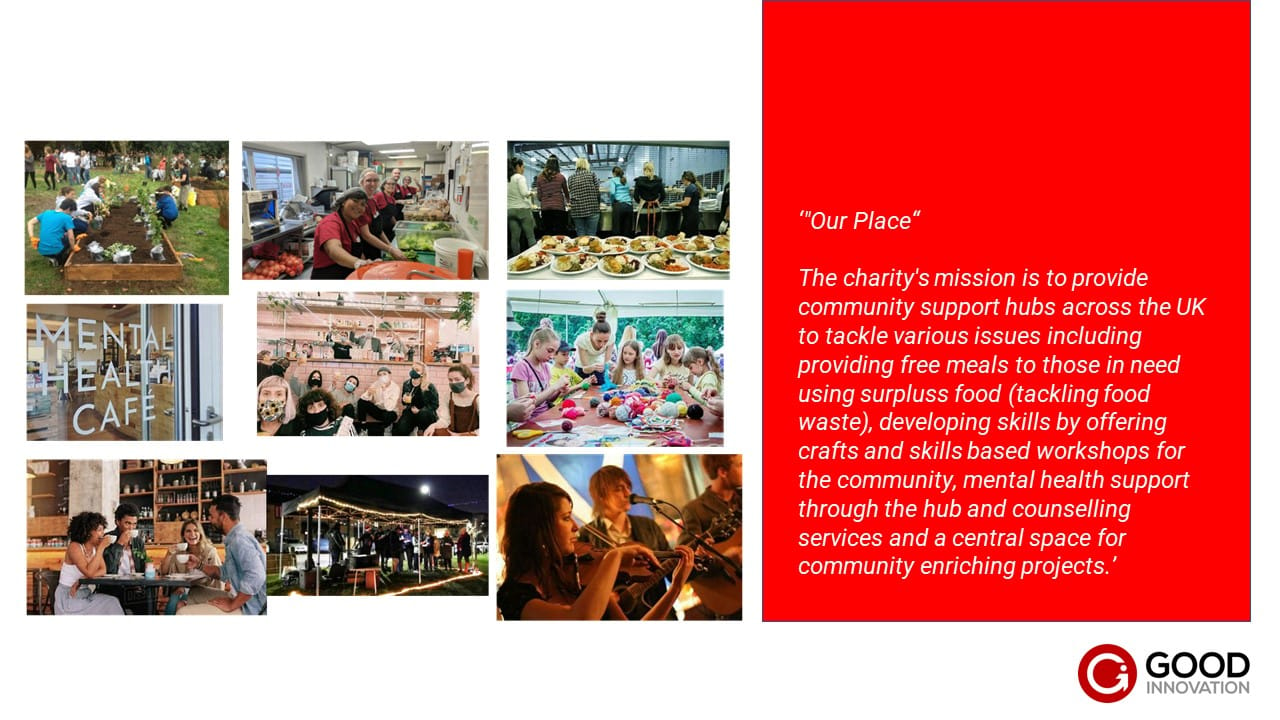
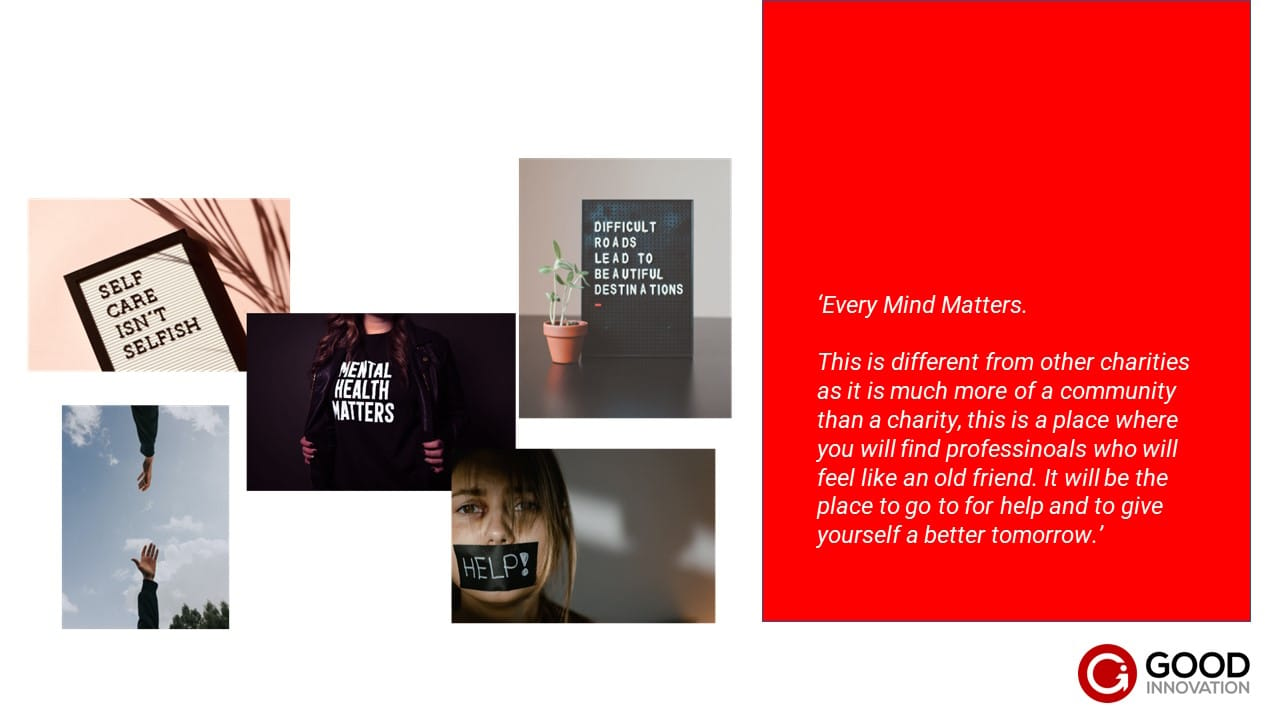
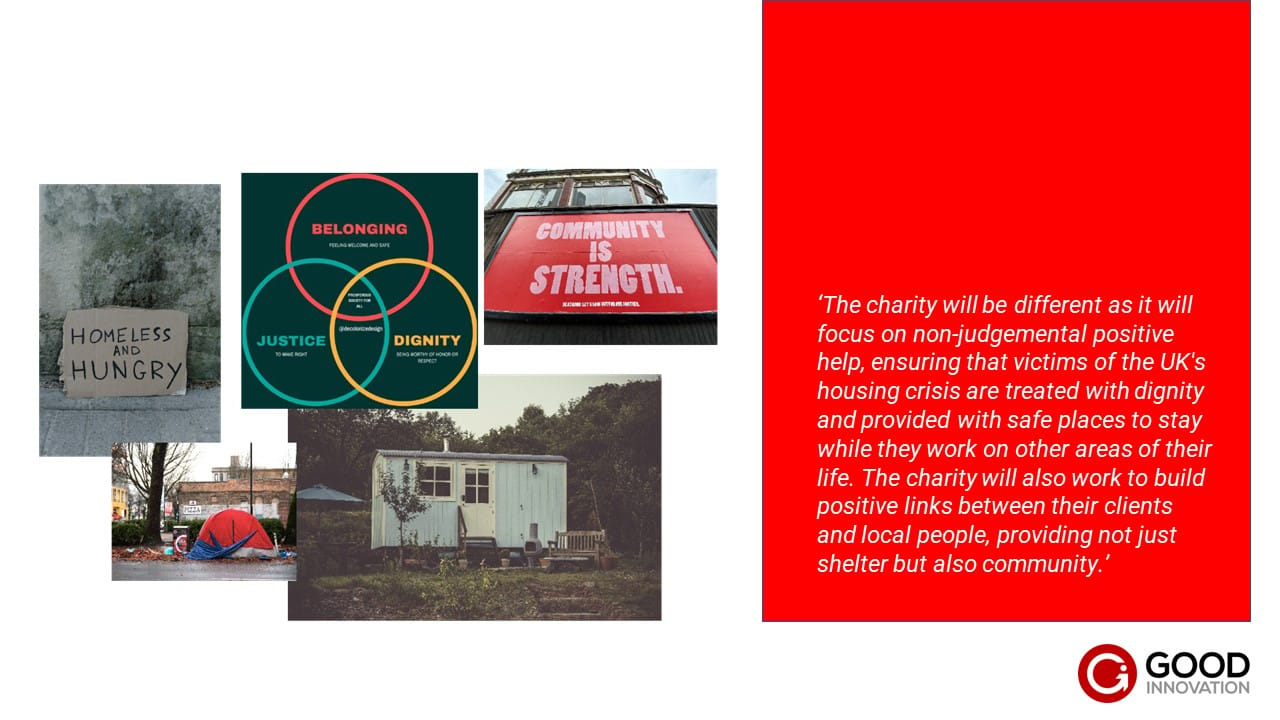
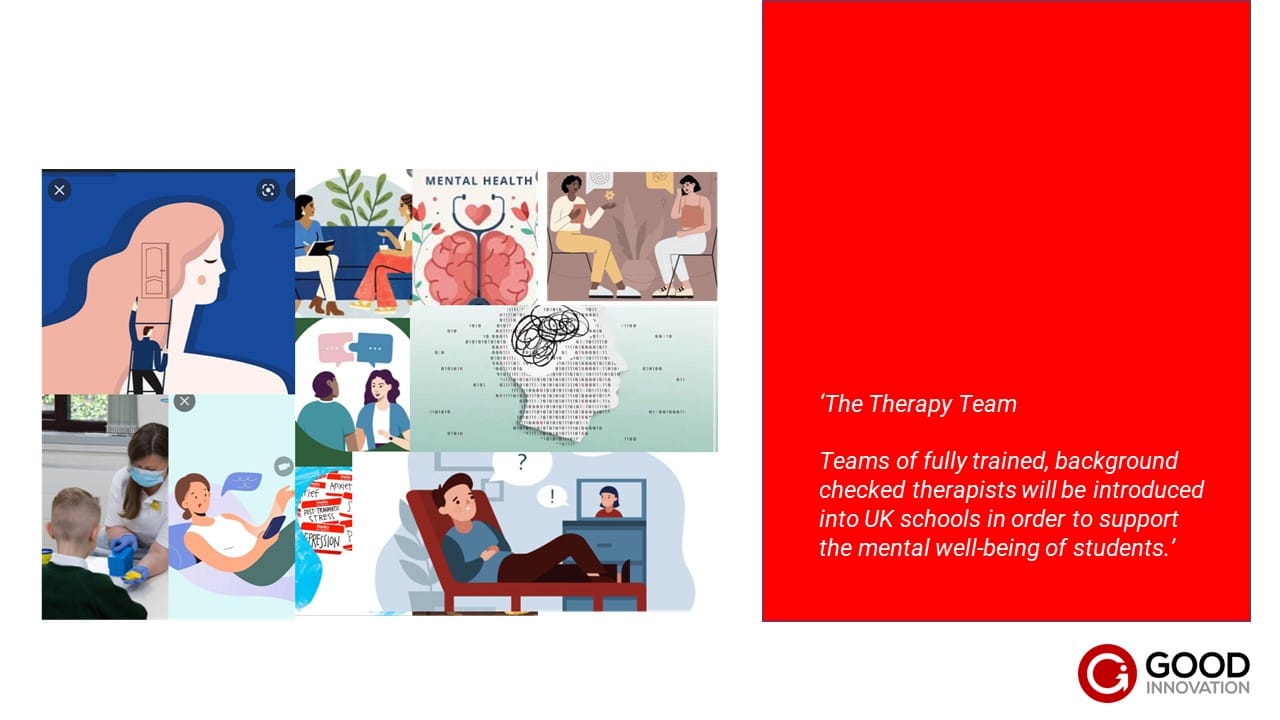
Finally, when asked to create their own charities, we were struck by how many Zoomers focused their efforts on a sense of community: this encompassed a variety of factors from supporting mental health and fighting loneliness to combatting homelessness and food insecurity. Community matters to Zoomers - showing them how a charity contributes towards theirs can be a stepping stone into their conversations.
Youth Marketing Strategy Conference: what we heard
Authentic, authentic, authentic. With Gen-Z simple is better. Don’t over budget. It might seem counter-intuitive, but content that is user generated or looks 'cheaper' often performs better. This is the time where you can get away with lower production levels. Slick content on TikTok will stick out next to 'homemade' content for all the wrong reasons.
Don't underestimate the power of communities when it comes to content creation. Zoomers are more immersed into the products they're engaging with so you need to build meaningful interactions between touch-points. They want to feel like a part of a community and see their peers promoting things to them in more relatable ways.
Interaction is key. Twitch (video and gaming live streaming platform) is so popular because they understand active engagement and interaction is a core part of the experience for Zoomers. It's not just about passively watching content anymore, it's about being closer to the streamers and feeling a part of the moment.
Don't be afraid to give creators freedom. Gone are the days of a campaign with a single tone of voice. Content creators should have their own voice in anything they promote - their message cannot be diluted for the sake of the brand otherwise fans will see right through it. We need to consider how different tones and styles can be adapted for different influencers and channels.